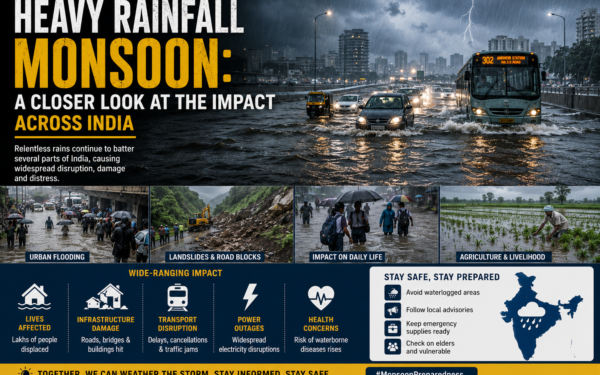
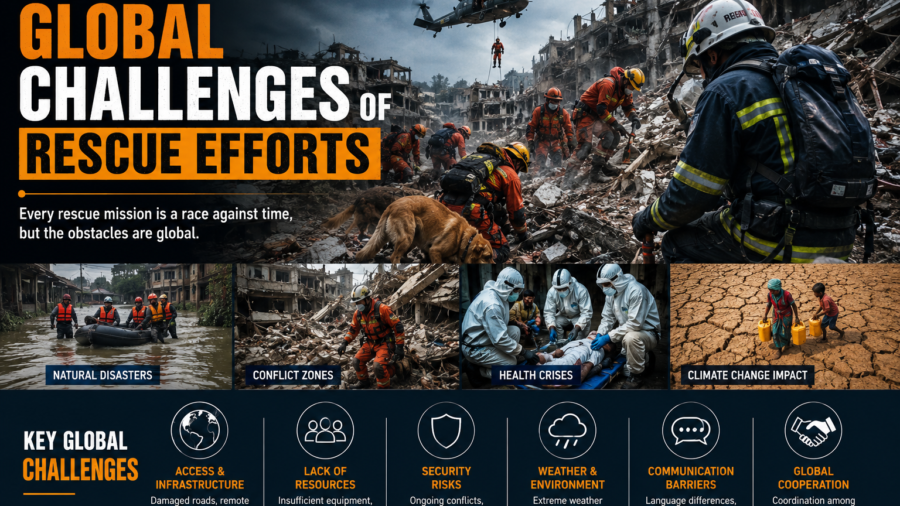
Search initiatives have become crucial in the wake of natural disasters, particularly in regions like Nepal and China, where severe flooding and mudslides have wreaked havoc. The urgency of effective rescue operations cannot be overstated, as communities strive to recover from these catastrophic events. This article explores the ongoing search and rescue efforts, the challenges faced, and the broader implications of these operations on affected communities.
Understanding the Current Landscape of Search Operations
The recent flooding and mudslides in Nepal and China have led to extensive search operations aimed at rescuing missing individuals and providing aid to those affected. These operations extend beyond merely locating survivors; they involve addressing a wide range of logistical, environmental, and emotional challenges that rescue teams encounter. The urgency of these search efforts is underscored by the rising death toll, which has surpassed 1,000 in Nepal alone, highlighting the critical need for immediate action. According to reports, as of September 2026, the search operations in Nepal are ongoing, with teams working tirelessly to locate individuals trapped under debris and provide necessary medical assistance.
Also Read:-
Ethan Salas Padres Callup: How a Once-Injured Teen Prodigy Became MLB’s Youngest Player Overnight
As rescue teams converge on affected areas, they are equipped with advanced technologies and strategies designed to enhance the effectiveness of their search initiatives. Drones, satellite imagery, and AI-driven analytics play pivotal roles in identifying locations where survivors may be trapped or in need of assistance. For example, the use of drones equipped with thermal imaging technology allows rescuers to identify heat signatures in debris, significantly improving their chances of locating survivors. However, despite these technological advancements, the chaotic nature of disaster zones presents significant hurdles, from blocked access routes to unpredictable weather conditions that can hinder operations. The combination of these factors creates a complex environment where every moment counts in the search for survivors.
Challenges Faced by Rescue Teams in Search Operations
Rescue teams face numerous challenges during search operations, particularly in regions devastated by natural disasters. One major obstacle is the terrain itself; mudslides can create hazardous conditions that make reaching stranded individuals perilous. In the case of the recent Nepal floods, many areas remain inaccessible due to debris and flooding, complicating rescue efforts. Additionally, the emotional toll on rescue workers is significant, as they grapple with the stress of working under pressure while witnessing the suffering of victims. Reports indicate that the psychological impact on these workers is profound, necessitating support systems to help them cope with the trauma they encounter.
Coordination among multiple agencies is another critical aspect that can either facilitate or hinder effective search operations. Various governments, non-profit organizations, and local communities often become involved, each with its own protocols and methods. Effective communication and collaboration are essential to streamline efforts and avoid duplicating work, which can waste valuable time and resources. The recent examples from Nepal illustrate how essential it is for organizations to unify their approaches in order to maximize the impact of their search initiatives. In instances where agencies have worked together effectively, the results have been promising, leading to quicker rescues and better allocation of resources.
Broader Implications of Search Efforts
The implications of effective search operations extend beyond the immediate goal of saving lives. Successful rescue and recovery efforts can foster a sense of community resilience and solidarity, as seen in the aftermath of the Nepal floods. When communities come together to support each other in times of crisis, it can lead to stronger social bonds and networks that enhance overall community welfare. Conversely, failures in search operations can lead to public distrust in authorities and organizations, potentially hampering future disaster response efforts. A study conducted by the International Federation of Red Cross and Red Crescent Societies highlights the importance of community engagement in disaster preparedness, indicating that communities that are involved in planning and response tend to recover more quickly.
Moreover, the international response to search operations can illuminate disparities in resource allocation and support. Countries with more advanced technological capabilities are often better equipped to handle such crises, while those with fewer resources may struggle significantly. This disparity raises questions about global preparedness and the need for equitable support systems that ensure all nations can effectively respond to disasters, regardless of their economic status. Recent reports from the United Nations emphasize the necessity for a more coordinated global response to disasters, advocating for increased investment in disaster readiness, especially in vulnerable regions.
Technological Innovations in Search Operations
Technological advancements have revolutionized search operations, particularly in disaster response scenarios. The integration of drones equipped with thermal imaging and high-resolution cameras allows for rapid aerial assessments of affected areas, identifying hotspots where survivors may be located. AI algorithms can analyze vast amounts of data from social media and satellite imagery to pinpoint potential rescue sites, significantly speeding up the process of locating missing individuals. A recent report from Search Engine Journal highlights how AI-driven analytics are reshaping search operations, enabling teams to make data-informed decisions that enhance their effectiveness.
Furthermore, mobile applications designed for disaster response enable real-time communication between rescue teams and local populations. These applications can facilitate the reporting of sightings and needs, ensuring that resources are allocated efficiently. For example, during the recent floods in Nepal, such technologies played a crucial role in coordinating efforts and maximizing the reach of rescue teams. The use of social media platforms also emerged as a vital tool for disseminating information quickly, allowing families to report missing persons and for rescue teams to receive updates from the community.
Conclusion: The Future of Search Initiatives
As we look to the future of search operations, it is clear that ongoing investment in technology, training, and community engagement will be essential. The recent floods in Nepal and China serve as a stark reminder of the unpredictability of natural disasters and the pressing need for robust search capabilities. Collaboration among nations, technological advancements, and a focus on community resilience will play a vital role in shaping the efficiency and effectiveness of future rescue operations. The lessons learned from current events underscore the importance of preparedness and adaptability in the face of evolving challenges.
Ultimately, the success of search initiatives will depend on our collective commitment to preparedness and response. By learning from past events and continually improving our approaches, we can enhance our ability to safeguard lives and foster resilient communities in the face of inevitable challenges. Continuous innovation, community involvement, and international cooperation will be key to improving search operations and ensuring that we are better equipped for future disasters.
| Event | Date | Location | Casualties |
|---|---|---|---|
| Flooding | August 2026 | Nepal | 1,000+ |
| Mudslides | August 2026 | China | TBD |
FAQs about Search Operations
How do I search on the web?
Searching on the web typically involves using a search engine like Google, where you can enter keywords or phrases related to the information you seek. The search engine will then provide a list of relevant websites and resources.
Is this Google Search?
No, this article discusses broader search operations in the context of rescue efforts, rather than the specific Google Search engine.
How can I check if my name was Googled?
You can check if your name appears in search results by entering your name in a search engine. This can give you an idea of what information is publicly available about you online.
What does search do?
In a general context, search refers to the act of looking for information or resources, whether online, in databases, or in physical locations.
What technologies are used in search operations?
Technologies such as drones, satellite imagery, and AI analytics are commonly used to enhance the effectiveness of search operations, especially in disaster response scenarios.
What are the main challenges faced during search operations?
Challenges include hazardous terrain, emotional stress on rescue workers, and the need for effective coordination among multiple agencies involved in the rescue efforts.
How can communities support search efforts?
Communities can support search efforts by providing volunteers, resources, and local knowledge that can assist rescue teams in navigating disaster-affected areas.
What can be done to improve future search operations?
Investing in technology, training, and fostering community resilience are key areas that can improve the effectiveness of future search operations.