Krishna Janmashtami wishes start flooding phones days before the actual festival, and if you’ve ever wondered why this particular night carries so much weight across India, the answer is simple: it’s the one night of the year when an entire country stays up waiting for midnight on purpose. Whether it’s a WhatsApp forward from your nani, a temple bhajan playing on loop, or a Bal Gopal idol being dressed in tiny new clothes, this festival has a way of pulling everyone in, regardless of age.
This year’s celebration comes with something extra. Janmashtami 2026 wishes are being exchanged against the backdrop of a rare astrological alignment, which many devotees believe makes this year’s midnight puja unusually powerful. So before you send out your own messages or head to the temple, here’s a complete, easy breakdown of the date, timings, rituals, and everything else worth knowing.
Krishna Janmashtami 2026 Date: When Exactly Should You Celebrate?
The Krishna Janmashtami 2026 date falls on Friday, September 4, 2026, according to most Panchang calculations followed across India. This year is being described by several astrologers as particularly significant because the Ashtami Tithi and Rohini Nakshatra — the exact two conditions under which Lord Krishna is believed to have been born — are aligning closely with each other, a combination that doesn’t happen every year.
Krishna Ashtami, as it’s also commonly called, technically begins in the early hours of September 4 and continues into the night, with the core rituals taking place after midnight. ISKCON temples and some traditional followers observe the festival a day later, on September 5, based on a slightly different calculation method — so it’s worth checking which tradition your family or local temple follows before finalising your plans.
Also Read:-
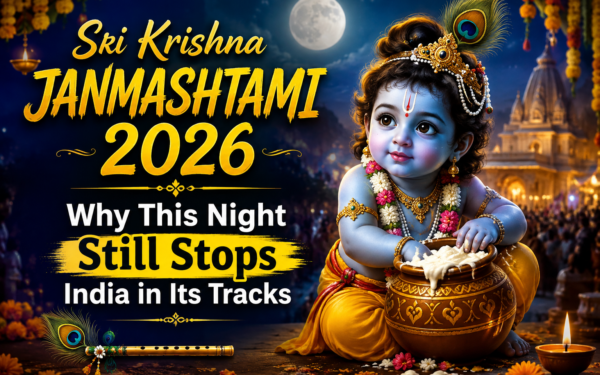
Sri Krishna Janmashtami 2026: Why This Night Still Stops India in Its Tracks
Nishita Puja Muhurat: The Midnight Window That Actually Matters
Sri Krishna Janmashtami 2026 rituals centre almost entirely around one specific window of time: the Nishita Kaal, or the midnight period when Krishna is believed to have taken birth in a prison cell in Mathura. This is considered the single most auspicious moment of the entire festival, and most families plan their fasting, prayers, and celebrations around it.
Reports suggest the Nishita Puja muhurat for the night of September 4–5 falls roughly between 11:55 PM and 12:45 AM, though the exact minute varies slightly by city. Here’s a quick city-wise reference so you don’t miss the window:
| City | Approximate Nishita Puja Time |
|---|---|
| New Delhi / Noida | 11:57 PM – 12:43 AM |
| Mumbai | 12:14 AM – 1:01 AM |
| Bengaluru | 11:55 PM – 12:42 AM |
| Hyderabad | 11:52 PM – 12:38 AM |
| Chennai | 11:45 PM – 12:31 AM |
| Kolkata | 11:13 PM – 11:59 PM |
Timings are approximate and based on regional Panchang calculations — it’s always a good idea to check your local temple or a trusted Panchang app for exact minute-level accuracy.
Fasting Rules Every Devotee Should Know
Krishna Janmashtami status updates on social media are often filled with fasting selfies, and there’s real tradition behind it. Devotees typically observe either a Nirjala (completely waterless) fast or a Phalahar fast, where fruits, milk, and non-grain foods are allowed through the day. The fast usually begins early in the morning with a Sankalpa — a spoken pledge in front of the home deity — and continues until the midnight puja is complete.
Breaking the fast, known as Parana, isn’t the same for everyone. Some devotees break their fast right after the Nishita Puja, once the midnight rituals are done. Others, following stricter Dharma Shastra traditions, wait until the next morning after both Ashtami Tithi and Rohini Nakshatra have fully passed — which this year falls around sunrise on September 5.
Krishna Janmashtami Wishes: What to Actually Send This Year
Janmashtami wishes 2026 don’t need to be complicated — a heartfelt line or two, paired with a nice image of Bal Gopal or Radha-Krishna, usually does the job. If you’re looking for inspiration, here are a few original message ideas you can personalise for family and friends:
- “May Krishna’s flute fill your home with peace, and his blessings fill your year with joy. Happy Janmashtami!”
- “On this sacred night of Krishna’s birth, may all your wishes find their way to fulfilment. Jai Shri Krishna!”
- “Wishing you the same mischief, wisdom, and warmth that Krishna brought into every life he touched. Happy Krishna Janmashtami!”
- “May the midnight aarti bring calm to your mind and joy to your household this Janmashtami.”
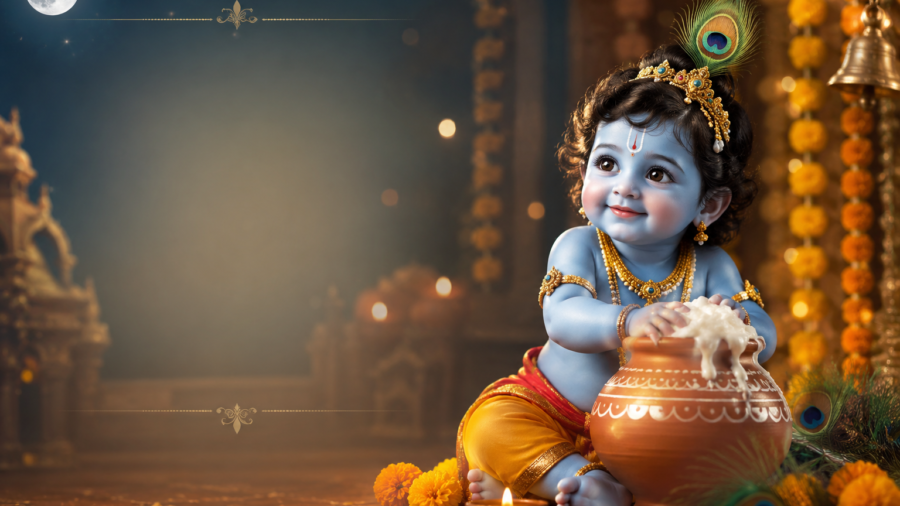
Pairing these with Janmashtami 2026 images — think Bal Gopal in a cradle, the iconic peacock feather, or a diya-lit temple scene — tends to work far better than plain text, especially for status updates and story posts.
Places to Celebrate Krishna Janmashtami If You Can Travel
If you’re someone who likes experiencing festivals rather than just marking them on a calendar, a handful of Indian cities go all out for Krishna Janmashtami. Mathura and Vrindavan, considered Krishna’s birthplace and childhood home respectively, host massive celebrations that stretch across days, with temples like Banke Bihari and Dwarkadhish drawing enormous crowds. Dwarka in Gujarat, believed to be the kingdom Krishna ruled as an adult, is another major pilgrimage point during this period.
Mumbai and other parts of Maharashtra celebrate the following day with Dahi Handi — the energetic human-pyramid tradition where groups compete to break a curd-filled pot suspended high above the street, recreating young Krishna’s love for stolen butter.
Why This Festival Keeps Its Grip on India, Year After Year
Krishna Janmashtami 2026 wishes, at their core, aren’t just festive formality — they’re a reflection of how deeply this story has stayed woven into everyday Indian life. Krishna isn’t remembered as a distant, untouchable god in most households; he’s remembered as a mischievous child who stole butter, a wise friend who guided Arjuna, and a protector who showed up when things got difficult. That relatability is probably why the festival hasn’t lost any of its pull, even in a country that’s changed dramatically in every other way.
So whether you’re staying up for the midnight aarti, sending out a quick WhatsApp message, or simply enjoying a plate of makhan-mishri prasad with family, this Janmashtami carries the same purpose it always has — a reminder that devotion doesn’t need grandeur, just sincerity.
This article is based on publicly available Panchang and festival reports as of early September 2026. Puja timings may vary slightly depending on your city and the Panchang source you follow, so please cross-check with a local calendar before performing rituals.