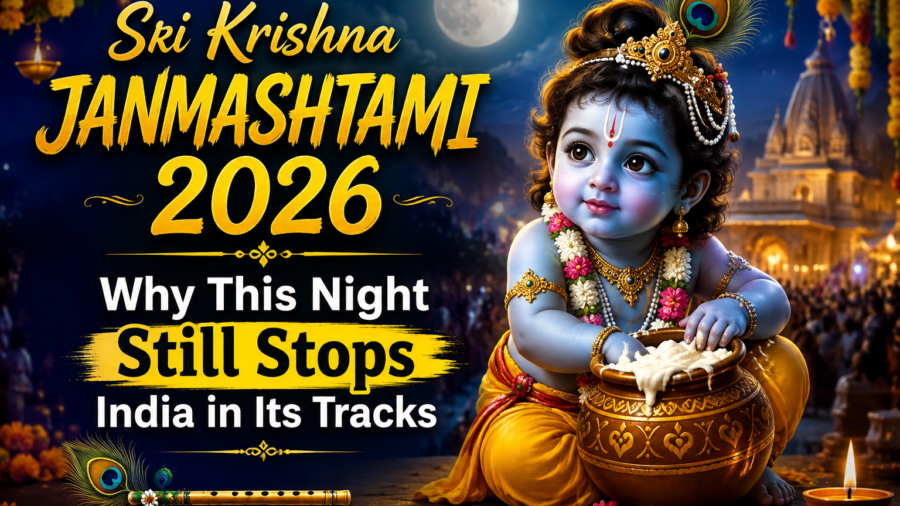
Sri Krishna Janmashtami marks one of the most significant religious festivals in India, celebrating the birth of Lord Krishna, the eighth avatar of Vishnu. This vibrant festival, which falls in the month of August or September depending on the lunar calendar, showcases a unique blend of devotion, culture, and community spirit. In 2026, Sri Krishna Janmashtami will be celebrated on September 4, a day that will see devotees across the nation participating in various festivities, rituals, and events dedicated to the beloved deity.
The preparations for this festival begin weeks in advance, with homes and temples being adorned with flowers, lights, and decorations that reflect the joyous spirit of the occasion. As the day approaches, people engage in cleaning and decorating their homes, preparing special delicacies, and planning pujas (prayer rituals) to honor Lord Krishna. The celebrations are characterized by the chanting of bhajans (devotional songs), reenactments of Krishna’s life, and the iconic Dahi Handi event, where clay pots filled with curd are hung high, and teams of young men create human pyramids to break them.
Also Read:-
Cancer Kark Rashi Horoscope Tomorrow: What the Stars Have in Store for September 2, 2026
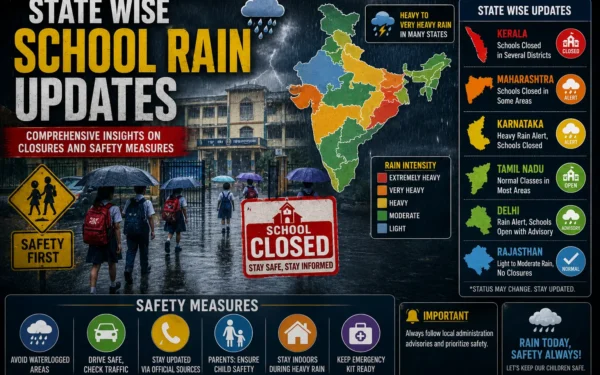
STATE WISE SCHOOL RAIN UPDATES: Comprehensive Insights on Closures and Safety Measures
The Heart of the Celebration: Rituals and Traditions
At the core of Sri Krishna Janmashtami is the midnight celebration, which is believed to be the exact time of Krishna’s birth. Devotees gather in temples and homes to perform aarti (waving of lights) and offer prayers. The atmosphere is charged with excitement and devotion as the clock strikes midnight, marking the birth of Lord Krishna. In many cities, elaborate decorations and festivities are organized, drawing large crowds of devotees who come to participate in the celebrations.
In Mathura and Vrindavan, the birthplace of Lord Krishna, the celebrations reach a fever pitch. Devotees flock to these sacred towns, engaging in various activities that depict Krishna’s playful antics and divine exploits. Temples are filled with the sounds of devotional music, and the streets are alive with processions and cultural performances. The significance of these rituals goes beyond mere celebration; they serve to strengthen community bonds and reinforce cultural heritage. The festival also provides an opportunity for families to come together, share meals, and express their love and devotion to God.
Understanding the Cultural Context of Janmashtami
Janmashtami, also known as Shree Krishna Janmashtami, is deeply rooted in Hindu mythology, symbolizing the victory of good over evil. According to the Puranas, Krishna was born to eliminate the tyrannical ruler Kansa, who had imprisoned his parents. This narrative of liberation resonates with many, making the festival a time for reflection on personal and societal liberation. The teachings of Krishna, encapsulated in the Bhagavad Gita, emphasize the principles of dharma (duty), devotion, and righteousness, which continue to inspire millions.
The cultural significance of Janmashtami extends beyond religious observances. It showcases the rich tapestry of Indian traditions, with each region celebrating the festival in its unique way. For example, in Maharashtra, the Dahi Handi event is a highlight, where teams compete to break a pot of curd suspended high above the ground. In Gujarat, traditional dances and music dominate the celebrations, while in North India, reenactments of Krishna’s life are performed with great enthusiasm. Additionally, in South India, various temples host special rituals and decorate their premises with flowers and lights, creating a festive atmosphere that attracts many devotees.
Implications for Communities and Society
The implications of Sri Krishna Janmashtami celebrations are profound, impacting not only the religious sentiments of individuals but also fostering community solidarity. The festival serves as a reminder of the values of love, compassion, and unity, encouraging people to come together irrespective of their backgrounds. In urban areas, where communities can sometimes feel fragmented, the festival acts as a catalyst for social interaction and collective participation.
Moreover, the economic impact of Janmashtami should not be overlooked. The festival boosts local businesses, from the sale of decorations and sweets to the influx of tourists in key pilgrimage sites such as Mathura and Vrindavan. This economic activity helps sustain small businesses and artisans, contributing to the preservation of cultural crafts and traditions. As more people engage with the festivities, there is a renewed interest in local customs, ensuring that the essence of Janmashtami is passed down through generations. Furthermore, the festival encourages the revival of traditional art forms and crafts, as artisans are commissioned to create decorations and idols, thereby supporting local economies.
The Future of Janmashtami Celebrations
As we look ahead to the future of Sri Krishna Janmashtami, it is essential to embrace the evolving nature of these celebrations. With the advent of technology and social media, younger generations are finding new ways to connect with the festival’s spirit. Virtual celebrations, online bhajan sessions, and social media campaigns are becoming increasingly popular, allowing people to engage with traditions even from a distance. These digital platforms also enable the sharing of experiences and teachings associated with Lord Krishna, further spreading the festival’s significance beyond geographical boundaries.
However, it is crucial to maintain the authenticity of the rituals and the core values that Janmashtami represents. Balancing modernity with tradition will ensure that the festival remains relevant and continues to inspire devotion and community spirit. As we prepare for Sri Krishna Janmashtami in 2026, it is an opportune moment to reflect on our personal connections to the festival and how we can contribute to its vibrant legacy. This balance between tradition and innovation will be key to keeping the spirit of Janmashtami alive for future generations.
| Event | Date | Location |
|---|---|---|
| Sri Krishna Janmashtami 2026 | September 4, 2026 | Nationwide, India |
| Dahi Handi Competition | September 4, 2026 | Maharashtra |
| Midnight Puja | September 4, 2026 | Temples Nationwide |
Frequently Asked Questions
Is Janmashtami on August 18 or 19?
No, Janmashtami is celebrated on September 4 in 2026.
What is the real date of Krishna Janmashtami?
In 2026, Krishna Janmashtami will be observed on September 4.
What does Krishna Janmashtami celebrate?
It celebrates the birth of Lord Krishna, an avatar of Vishnu, symbolizing the triumph of good over evil.
How to wish someone on Janmashtami?
Wishing someone a Happy Janmashtami can be done with heartfelt messages like “May Lord Krishna bless you with happiness and prosperity on this auspicious day!”
What are the main rituals of Janmashtami?
Main rituals include fasting, midnight puja, singing bhajans, and reenacting Krishna’s life events.
Where are the best places to celebrate Janmashtami?
The best places include Mathura, Vrindavan, and major temples across India.
What is the significance of Dahi Handi?
The Dahi Handi event symbolizes Krishna’s playful nature and his love for butter, showcasing teamwork and celebration.
How does Janmashtami foster community spirit?
Janmashtami fosters community spirit by bringing people together through shared rituals, celebrations, and cultural performances, reinforcing social bonds.