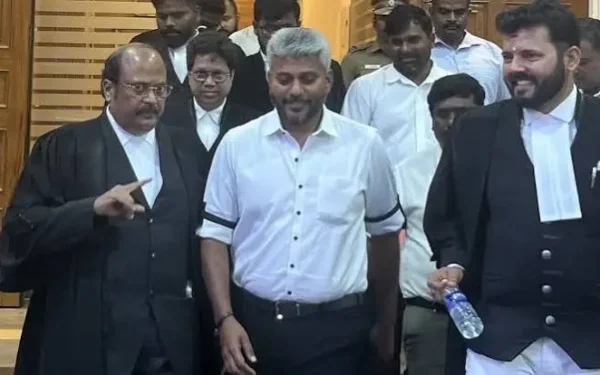

Abhijeet Dipke has become a focal point of political discourse in recent times, with his actions and statements sparking widespread debate and intrigue. The controversy surrounding the Cockroach Janta Party (CJP) and its founder, Abhijeet Dipke, has not only captured the attention of political analysts but also the general public. As the party navigates through various challenges, understanding the implications of these events becomes crucial for both voters and political observers. This article delves deeper into the intricacies of the CJP’s dynamics, the current political climate, and the potential implications for the future.
Deep Dive into the CJP’s Dynamics
The Cockroach Janta Party, under the leadership of Abhijeet Dipke, has positioned itself as a unique player in the political landscape of 2026. The party’s strategies, particularly regarding its grassroots outreach and political campaigning, have drawn both support and criticism. Recently, Dipke has been involved in various initiatives aimed at mobilizing youth and addressing educational issues, such as the “School Theek Karo” campaign. This initiative emphasizes the need for educational reforms and has resonated with many young voters, who see it as a direct response to longstanding grievances in the education sector.
Also Read:-
N MARIE WILSON Under Legal Scrutiny Amid Bribery Allegations
29 AUGUST: A Day Marked by Significant Political Events
However, the CJP’s approach has also been met with skepticism. Some critics argue that the party’s methods are more performative than substantive, raising questions about the effectiveness of its policies. Dipke’s controversial statements during public appearances have further fueled this narrative, leading to a polarized perception of his leadership. While his supporters argue that he speaks truth to power, detractors claim that his rhetoric often lacks depth and actionable plans.
In an era where political engagement is increasingly scrutinized, the CJP must navigate a delicate balance between appealing to its base and addressing the criticisms levied against it. The party’s initiatives, while well-intentioned, must translate into tangible outcomes to maintain credibility. The challenge lies in moving beyond slogans and promises to implement effective changes that resonate with the electorate.
Contextualizing the Current Political Climate
To understand the significance of Abhijeet Dipke’s actions, one must consider the broader political context in which the CJP operates. The 2026 political landscape is characterized by a growing disillusionment with traditional parties and a quest for alternative voices. This environment has allowed the CJP to gain traction among voters seeking change. However, it also means that every misstep can be magnified, leading to intense scrutiny from both media and political rivals.
The CJP’s ability to navigate this landscape will depend heavily on how well it can manage controversies surrounding its leader. The recent allegations against Dipke, including claims of inappropriate conduct and questionable associations, have put the party’s integrity at risk. As voters become increasingly concerned about ethics in politics, the CJP must work diligently to address these issues and restore public trust. Transparency in operations and accountability for actions will be vital in overcoming the current challenges.
Moreover, the CJP’s approach to youth engagement is critical in a political climate where younger voters are becoming increasingly influential. The party’s strategies must resonate with this demographic, which is often more progressive and vocal about issues such as education, employment, and social justice. Engaging with young voters authentically and addressing their concerns can help the CJP solidify its position as a credible alternative in the political arena.
Implications for Future Political Engagement
As the CJP continues to evolve, the implications of Abhijeet Dipke’s actions will be felt well beyond the current political cycle. The controversy surrounding his leadership could redefine how political parties engage with their constituencies. If the CJP can successfully transform the narrative from one of controversy to one of accountability and reform, it may solidify its place as a legitimate alternative in the political arena.
Moreover, the party’s stance on youth engagement will play a crucial role in shaping the future of political discourse in the country. By fostering a culture of participation among young voters, the CJP has the potential to not only influence immediate electoral outcomes but also create a new generation of politically active citizens. However, this will require a concerted effort to move past controversies and focus on delivering tangible results for the communities it seeks to represent.
The CJP’s ability to harness the energy and enthusiasm of young voters will be pivotal in determining its future success. This demographic is not only vital for electoral victories but also for driving progressive change within the political system. The CJP must ensure that its policies and initiatives align with the values and aspirations of younger generations, thereby fostering a sense of ownership and engagement.
Looking Ahead: The Future of Abhijeet Dipke and CJP
As we look towards the future, the trajectory of Abhijeet Dipke and the Cockroach Janta Party remains uncertain. The upcoming months will be critical in determining whether the party can overcome its current challenges and solidify its position in the political landscape. How Dipke addresses the controversies surrounding him will be pivotal; a failure to do so could hinder the party’s growth and alienate potential supporters.
Conversely, should Dipke manage to pivot the party’s focus back to its core mission of reform and engagement, he may emerge as a significant political figure capable of influencing policy and inspiring a new wave of activism among young voters. The stakes are high, and the political narrative surrounding Abhijeet Dipke will undoubtedly continue to evolve as events unfold.
In conclusion, the future of the CJP and Abhijeet Dipke hinges on their ability to navigate controversies, engage meaningfully with voters, and implement substantive reforms. As the political landscape evolves, the CJP must remain adaptable and responsive to the needs of its constituents. Only through genuine engagement and accountability can the party hope to thrive in an increasingly competitive political environment.
| Event | Date | Description |
|---|---|---|
| School Theek Karo Campaign | 2026 | A campaign aimed at improving the education system. |
| CJP Controversies | Ongoing | Allegations regarding Abhijeet Dipke’s conduct and associations. |
FAQs
What controversies surround Abhijeet Dipke?
Abhijeet Dipke has faced various allegations regarding inappropriate conduct and his associations, leading to scrutiny of his leadership.
What is the Cockroach Janta Party?
The Cockroach Janta Party (CJP) is a political party founded by Abhijeet Dipke, focusing on youth engagement and educational reforms.
How has the CJP engaged with young voters?
The CJP has launched initiatives like the School Theek Karo campaign to address educational issues and mobilize youth support.
What are the implications of the current controversies for the CJP?
The controversies could impact the CJP’s credibility and its ability to attract and retain supporters in the future.
What are the future prospects for Abhijeet Dipke?
The future of Abhijeet Dipke will depend on how he addresses current controversies and refocuses the party’s mission.
How can the CJP restore public trust?
The CJP can restore public trust by demonstrating accountability, transparency, and a commitment to meaningful reforms.
What is the significance of youth engagement in politics?
Youth engagement is crucial for fostering active citizenship and shaping the future political landscape.
What challenges does the CJP face moving forward?
Moving forward, the CJP must navigate controversies while effectively communicating its vision and policies to the electorate.