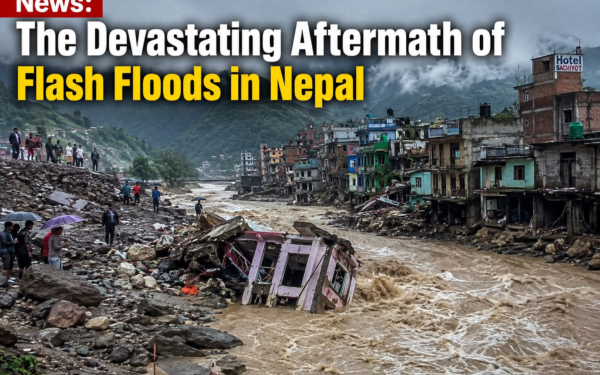
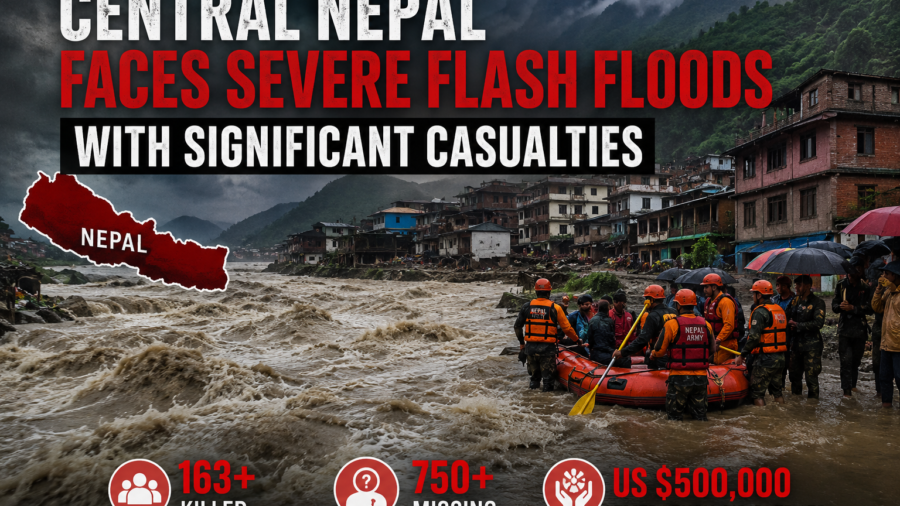
Central Nepal is currently grappling with a catastrophic situation due to severe flash floods, resulting in substantial loss of life and numerous individuals reported missing. As highlighted in initial reports, at least 163 people have lost their lives as a result of the floods. Disturbingly, over 750 individuals remain unaccounted for, which includes around 133 Indian pilgrims who were visiting the region.
The flooding has severely affected various areas, causing travel disruptions and leaving many tourists stranded. Efforts are underway to locate and provide assistance to those trapped in the affected regions. Compounding the challenges of rescue operations, sources report that more than 500 individuals are missing across the border in Tibet. This adds further complexity to an already dire situation.
International Response
In light of the unfolding disaster, there has been an international reaction to support Nepal during this challenging time. Notably, the United States has pledged $500,000 in emergency aid, aimed at aiding immediate recovery efforts in the flood-affected areas. This assistance will be crucial in addressing the pressing needs of those impacted by the floods.
Context of Vulnerability
Nepal’s geographical location and climatic conditions create a heightened risk of natural disasters such as flash floods and landslides. The region frequently experiences intense rainfall during the monsoon season, which has been a significant factor contributing to the flooding. Recent studies have emphasized these inherent vulnerabilities, highlighting the challenges that local communities face each year during this critical period. Understanding the important relationship between Nepal’s environment and its susceptibility to flash floods is vital in devising better preparedness and response strategies.
Ongoing Updates
As the crisis unfolds, various news outlets and agencies are actively providing updates on the rescue and recovery efforts. Communities are stepping up to offer assistance and shelter to those displaced by the floods. However, the situation continues to evolve, prompting the Nepalese government to issue alerts to residents around flood-prone areas. Citizens have been urged to remain vigilant and adhere to safety precautions as conditions may change. Search and rescue teams are working tirelessly, utilizing local resources and international assistance to locate and aid individuals affected by the floods.
The focus on recovery efforts is essential, not only to address immediate needs—such as food, water, and shelter—but also to begin the long rebuilding process for those who have lost their homes and loved ones. Local authorities, NGOs, and international agencies are collaborating to assess the damage and form a coherent action plan for recovery.
Despite the severe challenges posed by these flash floods, community resilience is evident as people come together to support one another. Families and friends mobilize to help locate missing persons, and local faith-based and community organizations are opening their doors to provide food and refuge to those displaced. The solidarity displayed during such trying times offers a glimmer of hope amidst profound suffering.
Conclusion
The flash floods in Central Nepal have unleashed a tragic wave of fatalities and missing persons, directly impacting individuals from various regions, including neighboring India. As rescue operations continue, the international community’s support, specifically the recent emergency aid from the United States, underscores the collaborative efforts needed to tackle such catastrophic events. Addressing natural disaster risks and enhancing community preparedness remains critical in safeguarding lives in Nepal’s vulnerable ecosystems.
The ongoing developments emphasize the need for reliable communication regarding safety measures within affected communities, while also shining a light on the necessity for improved response strategies to natural disasters in the region.