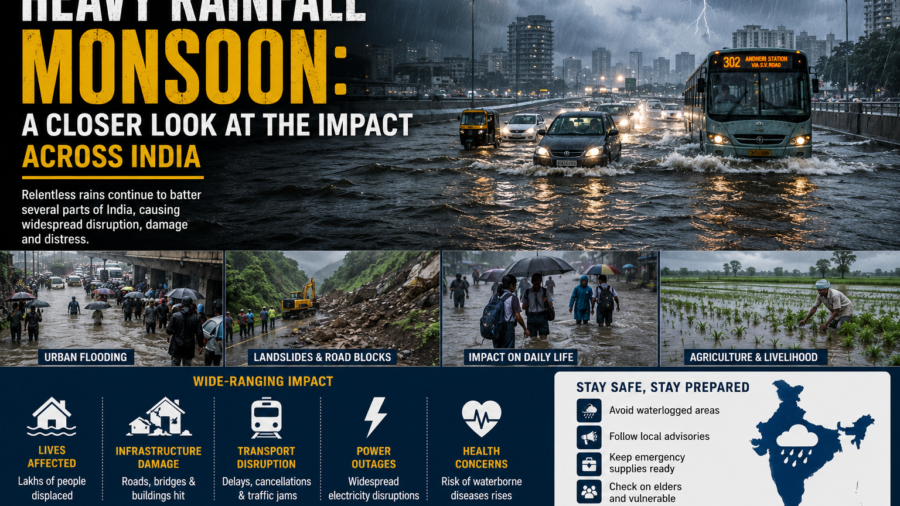
Heavy Rainfall Monsoon has gripped various regions of India, bringing both relief and challenges. As the monsoon season reaches its peak, citizens from Delhi to Lucknow are experiencing significant weather changes, with heavy downpours causing disruptions while also providing much-needed water to the parched lands. This article delves into the current state of the weather across key regions, the implications for the populace, and what to expect in the days ahead.
Weather Update: The Current Scenario
The ongoing Heavy Rainfall Monsoon has been particularly pronounced in northern India. Delhi NCR has reported substantial rainfall, leading to waterlogging and traffic disruptions on major roads. According to the India Meteorological Department (IMD), heavy rain has caused considerable inconvenience, with many areas experiencing slow-moving traffic and delayed public transport. The IMD has issued alerts for continued rain, urging residents to remain cautious.
Also Read:-
A Deep Dive into the Global Challenges of Rescue Efforts
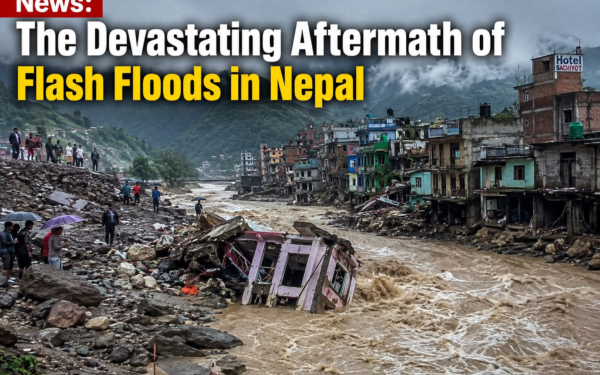
The Devastating Aftermath of Flash Floods in Nepal
In Lucknow, the weather has also taken a turn for the wetter, with residents expecting further rainfall today. The local government is on high alert, preparing for any potential flooding that may arise from the incessant downpours. The anticipation of heavy rainfall has led to school closures and precautionary measures being implemented across the city. Reports indicate that the rainfall in Lucknow could exceed 100 mm, significantly impacting daily life.
As the Heavy Rainfall Monsoon continues, forecasts suggest that the coming weeks will be crucial for many regions. Weather experts are closely monitoring patterns, with predictions indicating that the rain may increase in intensity before tapering off. The IMD has advised residents to stay informed about weather updates and prepare for potential emergencies. The agency has also recommended that farmers take precautions to protect their crops from excessive rainfall.
The Monsoon’s Dual Nature: Benefits and Challenges
As much as the Heavy Rainfall Monsoon brings relief from the sweltering heat, it also poses significant challenges. For farmers, the rains are a mixed blessing. While they are essential for crop growth and replenishing groundwater levels, excessive rain can lead to crop damage and soil erosion. Farmers in various states are anxiously monitoring the weather forecasts, hoping for balanced rainfall that nurtures rather than destroys their livelihood. The IMD has indicated that while some regions may benefit from the rains, others could face severe flooding.
Moreover, urban areas are grappling with the aftermath of heavy rainfall. Many cities lack adequate drainage systems, leading to waterlogging and potential health hazards. The monsoon season often exacerbates sanitation issues, as stagnant water can become a breeding ground for mosquitoes and other pests. Local authorities are urged to expedite drainage improvements and manage water flow to mitigate these risks. For instance, in Delhi, the municipal corporation has been working on enhancing drainage systems, but the current rainfall has overwhelmed existing infrastructure.
Widespread Impact: Regions Affected
The Heavy Rainfall Monsoon is affecting various regions differently. In Delhi, the intense rainfall has led to traffic jams and disrupted daily life, with many residents struggling to commute. The situation is similar in other northern states, where the IMD has warned of heavy showers in the coming days. Reports indicate that several states, including Uttar Pradesh and Punjab, are under flood watch, and emergency services are preparing for potential evacuations if the rains persist.
In contrast, areas in the southern parts of India are experiencing a gentler monsoon, with moderate rainfall nourishing the land without causing significant disruptions. This disparity in rainfall intensity highlights the unpredictable nature of the monsoon season, emphasizing the need for preparedness across the board. For instance, states like Kerala and Tamil Nadu have reported normal rainfall levels, which are beneficial for agriculture without leading to adverse conditions.
Looking Ahead: Future Forecasts
As the Heavy Rainfall Monsoon continues, forecasts suggest that the coming weeks will be crucial for many regions. Weather experts are closely monitoring patterns, with predictions indicating that the rain may increase in intensity before tapering off. The IMD has advised residents to stay informed about weather updates and prepare for potential emergencies. The agency has also recommended that farmers take precautions to protect their crops from excessive rainfall.
Communities are advised to remain vigilant and take necessary precautions, especially in flood-prone areas. It is essential for local governments to communicate effectively with residents, providing timely information about weather alerts and safety measures. The impact of these rains will be felt long after the clouds clear, influencing everything from agriculture to urban infrastructure.
In Conclusion: The Monsoon’s Legacy
The Heavy Rainfall Monsoon is more than just a weather pattern; it is a vital component of India’s climate, shaping the lives of millions. While it brings much-needed relief from the heat, it also poses challenges that require careful management. As the nation navigates through this season, the interplay between nature and human resilience will be on full display. Communities must come together to support one another, ensuring safety and preparedness in the face of unpredictable weather.
| Region | Weather Condition | Expected Rainfall |
|---|---|---|
| Delhi NCR | Heavy Rain | Continued Rain |
| Lucknow | Heavy Rain | Further Rain Expected |
| Southern States | Moderate Rain | Light Rain Expected |
FAQs about the Heavy Rainfall Monsoon
Will there be heavy rainfall in UP this monsoon season?
While forecasts indicate varied rainfall across regions, UP is expected to see significant rain, particularly in the coming weeks.
Is today a rainy day in Delhi?
Yes, heavy rainfall is reported in Delhi today, leading to waterlogging and traffic issues.
Where is the monsoon currently the heaviest in India?
Currently, northern states, including Delhi and Lucknow, are experiencing the heaviest rainfall.
What precautions should be taken during heavy rainfall?
Residents are advised to stay indoors, avoid unnecessary travel, and monitor local weather updates for safety.
How can heavy rainfall affect agriculture?
While it provides much-needed water, excessive rain can damage crops and lead to soil erosion, affecting farmers’ livelihoods.
What should urban areas do to prepare for heavy rainfall?
Urban areas should enhance drainage systems, maintain water flow, and ensure public awareness to mitigate flooding risks.
When can we expect the rains to subside?
Forecasts suggest that rainfall intensity may decrease in the next few weeks, but residents should remain vigilant.