
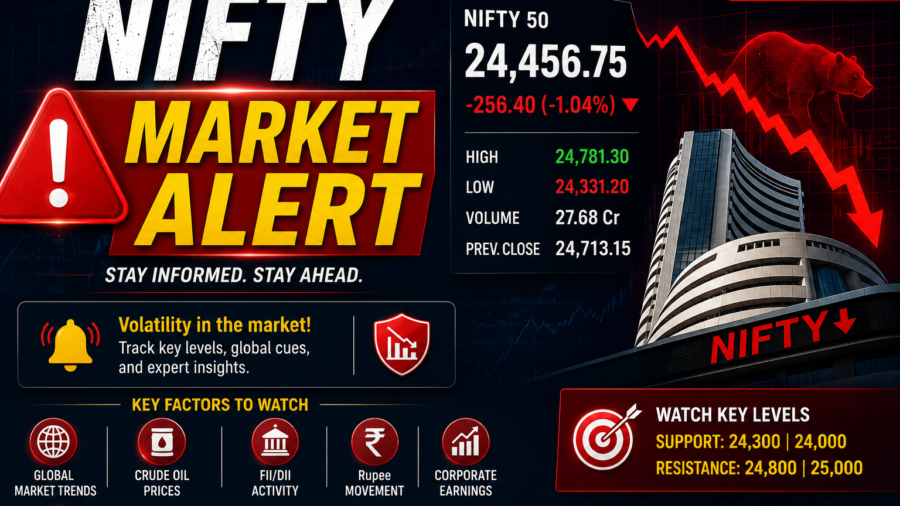
Understanding Nifty and Its Recent Performance
Nifty, a key benchmark index in the Indian stock market, has recently come under significant scrutiny as it experiences fluctuations that have left investors concerned. As of September 2, 2026, the Nifty index was reported to be below 24,000, reflecting a downward trend that has implications for both short-term traders and long-term investors. The Nifty serves as a barometer for the Indian economy, comprising 50 of the largest and most liquid stocks listed on the National Stock Exchange (NSE). Its movements are closely watched, and the recent fall has raised questions about the market’s overall health and future trajectory.
The reasons behind the decline in Nifty are multifaceted, including external economic pressures and domestic challenges. On September 1, reports indicated that the Sensex plunged over 700 points, closely mirroring the Nifty’s performance. For investors, understanding why the market is down today is crucial to making informed decisions. Analysts attribute the downturn to several factors, including global economic uncertainties, rising crude oil prices, and fluctuating bond yields which have collectively caused a ripple effect across the stock market.
Also Read:-
Bombay Creamery Ice Cream Reliance: A Sweet New Entry into the Market
IPO ALLOTMENT STATUS: Understanding Recent Developments and Their Impact
A Deep Dive into Recent Market Movements
Recent fluctuations in Nifty have been alarming, with significant drops noted during early trading sessions. The index fell sharply, prompting discussions among market analysts about the underlying causes. Among the primary reasons identified for the downturn are geopolitical tensions, particularly concerning the U.S. and Iran, which have created a ripple effect in global markets. The uncertainty surrounding these tensions has led to investor anxiety, prompting many to sell off their holdings. Additionally, the rise in crude oil prices has added to inflationary pressures, further impacting market sentiment.
Moreover, the global bond market has experienced a selloff, leading to rising yields that typically make stocks less attractive in comparison. This has particularly affected sectors that are sensitive to interest rates, further dragging the Nifty down. As the market grapples with these challenges, investors are left wondering about the implications for their portfolios and whether this is a temporary setback or a sign of a more extended period of volatility.
Analyzing the Impact of Global Events
Global events have a profound impact on domestic markets, and the current situation is no exception. The ongoing tensions between the U.S. and Iran have not only affected crude oil prices but also investor confidence worldwide. As oil prices hover near $96 a barrel, concerns about inflation and economic growth have intensified. Such geopolitical uncertainties lead to a cautious stance among investors, who may choose to liquidate positions in anticipation of further declines.
Additionally, the recent selloff in the global bond market has led to increased yields, making fixed-income investments more attractive than equities. This shift in investor preference can lead to further declines in indices like Nifty, as capital flows out of the stock market into safer assets. The interconnectedness of global markets means that events abroad can have immediate repercussions on domestic indices, creating a challenging environment for investors.
Contextual Factors Influencing Nifty’s Downturn
The recent performance of Nifty cannot be viewed in isolation. Several contextual factors have contributed to the current state of affairs in the Indian stock market. Firstly, the broader economic landscape in India is showing signs of stress, with various sectors struggling to maintain growth amidst rising costs and regulatory challenges. Analysts have pointed out that while the Indian economy has shown resilience, the global environment remains precarious, with concerns about trade wars and economic slowdowns in major economies like the U.S. and China.
Moreover, domestic factors such as inflation and consumer spending are putting pressure on market performance. The Reserve Bank of India’s stance on interest rates has also influenced market dynamics, as investors are closely monitoring any changes that could affect borrowing costs and overall economic activity. As such, the interplay between these domestic and international factors creates a complex environment for Nifty and the broader stock market.
Understanding Market Sentiment
Market sentiment plays a crucial role in determining the direction of indices like Nifty. Currently, sentiment is skewed towards caution due to the prevailing uncertainties. Investors are increasingly wary of entering the market, fearing that further declines could occur. This cautious approach can lead to lower trading volumes and increased volatility, as even minor news can trigger significant market movements. The psychological aspect of trading cannot be underestimated; fear often leads to herd behavior, exacerbating market declines.
Implications for Investors in a Volatile Market
The implications of Nifty’s recent downturn for investors are significant. For those with a long-term investment horizon, this may present an opportunity to acquire stocks at lower prices, assuming that the economic fundamentals remain strong. However, for short-term traders, the current volatility is a cause for concern, as rapid fluctuations can lead to substantial losses if not managed carefully.
Additionally, the current market conditions may prompt investors to reassess their portfolios and consider diversifying their holdings. With the Nifty index showing signs of instability, relying solely on equities may not be the safest strategy. Investors may look towards more stable assets or sectors that are less affected by global events, such as utilities or consumer staples, which generally provide more stability during turbulent times.
Strategies for Navigating Market Volatility
In light of the current market conditions, investors should consider adopting strategies that can help mitigate risks associated with volatility. One approach is to maintain a diversified portfolio that includes a mix of asset classes, such as equities, bonds, and alternative investments. This diversification can help cushion against losses in any single asset class.
Furthermore, investors may want to implement stop-loss orders to limit potential losses on their positions. Staying informed about market trends and economic indicators is also crucial for making timely investment decisions. Regularly reviewing and adjusting investment strategies in response to changing market conditions can enhance resilience in the face of uncertainty.
Conclusion: Navigating the Future of Nifty and the Stock Market
As Nifty continues to navigate through these turbulent waters, investors must remain vigilant and informed. The market’s recent fluctuations have underscored the importance of understanding the macroeconomic environment and the various factors that influence stock prices. While the current downward trend may cause concern, it also presents opportunities for those willing to engage in thorough analysis and strategic planning.
In conclusion, the future of Nifty will depend on a combination of domestic policy responses, global economic conditions, and investor sentiment. As we move forward, keeping a close eye on these aspects will be crucial for investors looking to make the most of their investments in this dynamic market.
| Index | Current Value | Change |
|---|---|---|
| Nifty | Below 24,000 | -1.2% |
| Sensex | Down 700 points | -2.5% |
Frequently Asked Questions
What does the word “nifty” mean?
The term “nifty” is often used to describe something that is particularly good or stylish. In the context of finance, it refers to the Nifty 50 index, which tracks the performance of 50 major companies on the National Stock Exchange of India.
What is meant by NIFTY?
Nifty refers to the National Stock Exchange Fifty, which is a stock market index that represents the weighted average of 50 of the largest Indian companies listed on the National Stock Exchange.
Will NIFTY fall tomorrow?
Predicting the exact movement of the Nifty index is challenging due to the many variables at play in the market. Investors should stay informed about economic indicators and global events that may influence market performance.
Why is Sensex down today?
The Sensex has been down due to several factors, including geopolitical tensions, rising crude oil prices, and overall market sentiment reflecting investor anxiety.
How can investors protect their portfolios during market downturns?
Investors can protect their portfolios by diversifying their investments across different asset classes, maintaining a balanced approach, and considering defensive stocks that tend to perform better during economic downturns.
What are the key indicators to watch for predicting market performance?
Key indicators include economic growth rates, inflation data, interest rates, and global economic events that can impact investor sentiment and market stability.
Is now a good time to invest in the stock market?
Whether it is a good time to invest depends on individual risk tolerance and market conditions. Investors should conduct thorough research and consider their long-term financial goals before making investment decisions.
How does global economic news affect Nifty?
Global economic news can significantly impact Nifty as it influences investor sentiment, currency fluctuations, and capital flows into and out of the Indian market.